Five Years.
Three Eras.
How tragedy, courage, and AI turned half a million lines of code into the product I was always meant to build.
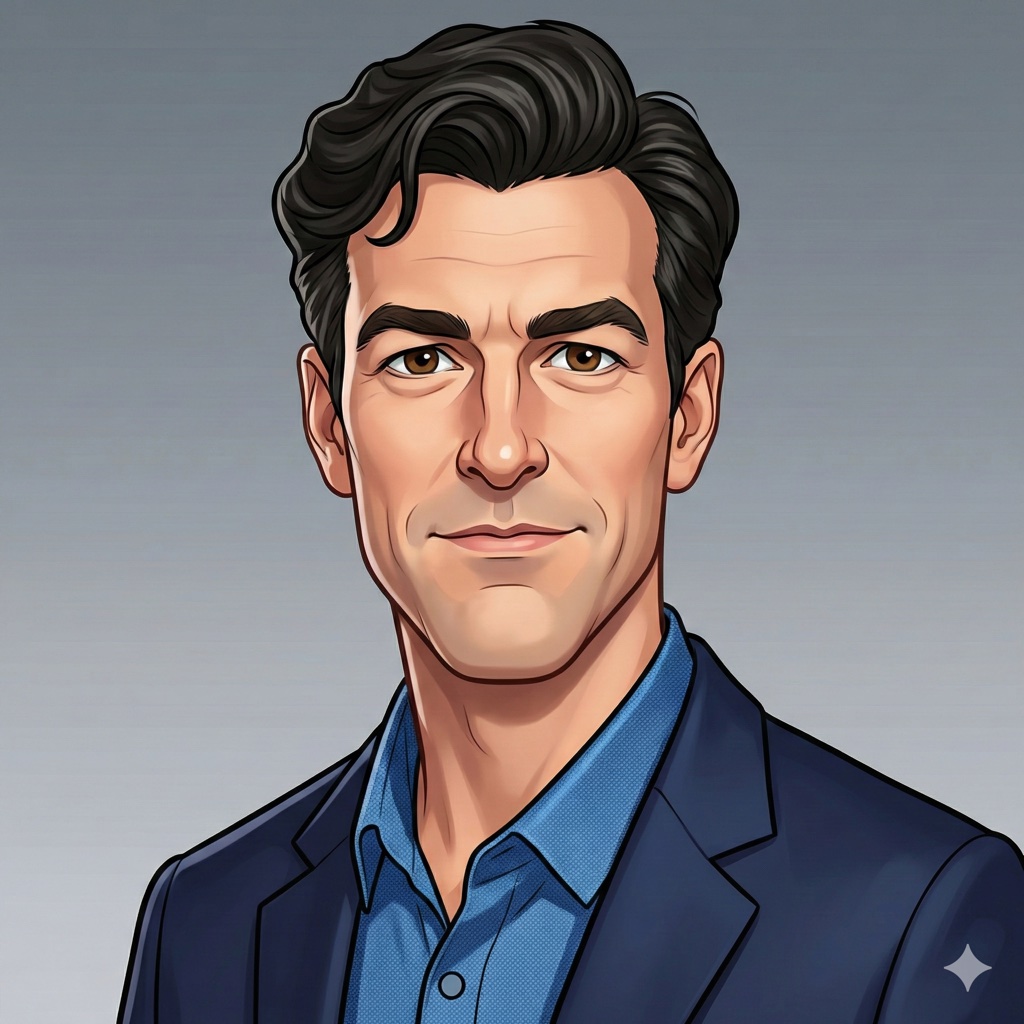
Martin Gee
Founder & CEO, IdentityRM
"People ask how a solo founder ships more than a 15-person team. They expect a productivity hack. The real answer is harder to tell."
2020–2022
The Product Years
I knew identity. I knew the enterprise. And my whole technical career, I'd known I was going to do something special. In 2020, I started building it.
By then, I could have retired. I'd created SPGateway, which became Okta Access Gateway after acquisition. I'd built ICSynergy into the go-to IAM consultancy for Fortune 500 companies, then sold it. Two exits. Patents. The credentials to stop.
But I wasn't done. I knew what was still missing in identity—and I was driven to build it.
By 2021, I'd founded Evolved Identity Solutions and had a working product. Customers. Revenue. In the black. The team was growing.
Then v2 happened.
We tried to make it configurable for everything. A single-page app with hundreds of REST calls. Every edge case accounted for. Every enterprise requirement anticipated. Half a million lines of code. A complete hot mess—technically impressive, practically unmaintainable.
We had positive cash flow. We had customers. But the architecture was fighting us. Every new feature took longer than the last. The codebase was winning.
2023
The Human Years
At the beginning of 2023, life intervened.
My cousin died unexpectedly of a heart attack. Then my mom was diagnosed with cancer.
I had to make a choice.
I pulled the plug on the product. I shut down the company. I cut all employees and costs. Not because the business was failing—we had customers, we had revenue—but because I needed to be present for what mattered.
"It took a lot of courage to cut everything and solely focus on my well-being. It was the hardest business decision I've ever made. And the most important."
The months that followed were about family, grief, and presence. But they were also about reflection. When you step away from the daily firefighting, you finally see what you couldn't see before.
Half a million lines of code—and most of it was fighting us. We needed to scrap nearly everything. Simplify radically. Take our lessons learned and not repeat our mistakes.
My mom recovered. And I realized—so could the product. But only if I was willing to let the old version die.

"I finally saw what I needed to let go of. Not the vision. The way I'd been chasing it."
2024–Present
The AI-Native Era
That realization changed everything: I didn't need a team of developers that I had to constantly babysit to make sure they were doing things exactly the way I wanted.
AI was the answer.
Not AI as a novelty. AI as the foundation. I invested heavily in building specifications, guides, and different agent types for different jobs. I transformed the development process from the ground up.
500,000
lines in v2
~10,000
lines in v4
50x reduction
I made a foundational switch to embrace every aspect of AI: services that tell LLMs their purpose and capabilities, MCP tools with guided usability flows, preference learning that improves with every interaction, code structured for machine understanding. The codebase isn't just readable by humans—it's built for AI collaboration from the ground up.
Timing is everything. AI's rapid maturity didn't just change how I build—it made what I'm building possible. The same capabilities that let me ship with twelve agents are the capabilities IdentityRM brings to our customers.
Now I'm on version four of IdentityRM. The wind is in our sails. You can see the fruits of this approach on this very website—built by one human and twelve trained agents.
And the product is so good—so clean, so solid—that we're opening it up. Customers don't just use IdentityRM. They build on our frameworks. That's the level of confidence that comes from getting it right.
My whole career, I knew I'd build something special. This is it.
"One founder. Twelve agents. We shipped more product this year than most 15-person teams. This isn't the future—it's Tuesday."
— Martin Gee
Sometimes the best thing you can do for your product is stop building it.
Then come back with clarity you couldn't have found any other way.
